Shake Your Cotton Tail SVG: A Designer's Real-World Review
As someone who spends more time staring at stitch previews than actual fabric, I approach every new digital embroidery file with a mix of excitement and skepticism. When I first pulled up the Shake Your Cotton Tail Svg on my screen, the immediate reaction wasn't just about the cuteness factor—though it is undeniably charming for the season—but about its structural integrity as a machine embroidery design. In the world of Crafts and Graphics, a pretty picture on a monitor doesn't always translate to a durable, professional-looking finished product. This review breaks down how this specific design holds up when moved from a vector path to actual thread on fabric.
First Impressions: Mood and Visual Personality
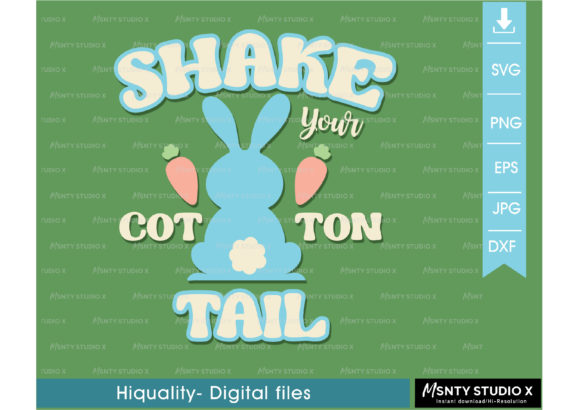
The Shake Your Cotton Tail Svg exudes a playful, whimsical mood that is perfectly calibrated for spring and Easter projects. The layout typically features a bunny rear view with a fluffy tail, often accompanied by the titular phrase. From a design perspective, the typography usually leans towards rounded, friendly sans-serifs or hand-lettered scripts that mimic the bounce of a rabbit. This visual personality makes it an instant fit for baby embroidery and children's apparel. However, for a professional Etsy seller or boutique owner, the question isn't just "is it cute?" but "does it look expensive?" The clean lines and balanced composition suggest high potential, provided the digitization matches the quality of the vector art. If the curves are smooth in the SVG, they should translate well into satin stitches without excessive jumping or trimming.
Real-World Application: The Custom Tote Bag Scenario
To truly test the viability of this design, I imagined a common real-life scenario: a custom order for a local mom-and-pop boutique needing a run of twenty embroidered tote bags for an Easter egg hunt event. The client wants something fun but durable enough to hold heavy chocolate eggs and grass. Here, the Shake Your Cotton Tail Svg shines as a tote bag design. The central motif is generally compact enough to fit within a standard 4x4 or 5x7 hoop, making it efficient for production.
When visualizing the stitching process, the "cotton tail" element is the critical focal point. In a real embroidery project, this area needs careful attention. If the design relies on a dense fill stitch to create the fluffy texture, it could become too stiff on a canvas tote. Ideally, a skilled digitizer would use a combination of lighter fill patterns or even a textured applique design approach if the user chooses to layer fabric. For the text, a clean satin stitch column ensures readability from a distance, which is crucial for event merchandise. The result is a handmade product that feels personalized and high-quality, rather than a generic heat-transfer vinyl application.
Versatility Across Products
Beyond tote bags, this graphic is incredibly versatile for various custom apparel items. It works exceptionally well on sweatshirt embroidery, where the thicker fabric can support slightly denser stitching without puckering. Imagine a matching family set of hoodies; the design scales nicely without losing its character. It is also a strong contender for holiday embroidery on kitchen tea towels or aprons, adding a seasonal touch to home decor. For those running a craft business, the ability to adapt one design asset across multiple product lines—from embroidered patches to nursery wall hangings—maximizes ROI. The simplicity of the concept allows it to stand out on both light and dark backgrounds, provided you adjust your thread palette accordingly.
Technical Considerations and Fabric Challenges
While the design is promising, there are specific scenarios where caution is required. If you are planning to stitch this onto stretchy fabrics like thin jersey knits for baby clothes, the density of the text and the tail becomes a major concern. Heavy stitching on lightweight material can cause warping or restrict the garment's stretch. In these cases, using a high-quality cut-away stabilizer is non-negotiable. Similarly, curved surfaces like caps present a challenge. The horizontal layout of the text might distort if not hooped perfectly straight, and the small details of the bunny ears or tail could get lost on the curve of a structured hat.
Another factor to watch is the stitch density in the lettering. Small, intricate fonts can sometimes turn into a solid blob of thread if the underlay isn't managed correctly or if the thread tension is off. Before committing to a large batch of commercial embroidery, it is wise to test the design on scrap fabric that mimics your final product. Check how the thread colors contrast against the background; a white tail on a white shirt might look cute in theory but invisible in reality. Always review the design in a black-and-white mockup first to ensure the shapes hold their definition without relying on color cues.
Enhancing Brand Value and Customer Trust
Ultimately, the choice of design impacts your brand perception. Using a well-executed file like Shake Your Cotton Tail Svg contributes to a cohesive small shop product line. Customers associate clean, crisp stitching with professionalism. If the edges are frayed or the text is illegible, it undermines trust. Conversely, a sharp, vibrant execution turns a simple personalized gift into a keepsake. For digital product sellers, offering this as part of a bundle with clear instructions on recommended hoop size and fabric types adds value and reduces customer support queries regarding failed stitches.
Final Verdict and Designer Notes
The Shake Your Cotton Tail Svg is a solid addition to any spring-themed library, offering a blend of humor and seasonal relevance that resonates with buyers. However, its success relies heavily on proper preparation. Before launching into production, confirm the licensing terms to ensure it covers commercial embroidery if you intend to sell finished goods. Since exact stitch counts and specific file formats weren't detailed in the initial product description, I strongly advise downloading the sample or checking the file specifications to ensure compatibility with your specific machine software.
Remember to treat every digital download as a starting point, not a guarantee. Test your tension, choose the right stabilizer for your fabric texture, and don't be afraid to tweak thread colors to suit your specific brand palette. With the right technical approach, this design has the potential to be a best-seller in your Etsy listings or a hit at your next craft fair. It bridges the gap between a fun graphic and a functional, beautiful textile art piece.