Dying for a Taco SVG: A Designer's Real-World Review
As someone who spends hours digitizing and stitching out designs for clients, I know that not every digital embroidery file translates well from screen to fabric. When I first encountered the Dying for a Taco SVG Vector T-shirt, my initial reaction was mixed with curiosity and caution. The concept is undeniably fun—food-themed humor always sells well in the Crafts category—but the execution determines whether it becomes a best-seller or a pile of unpicked threads. This review breaks down how this specific Graphics asset performs when pushed through the realities of a working embroidery studio.
First Impressions: Shape, Flow, and Stitchability
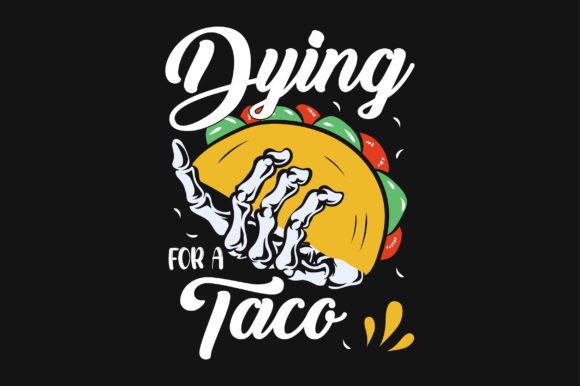
The moment you open the file, the clean lines of the vector shapes stand out. The description notes that the design is made with 100 vector shapes, which usually indicates a modular construction. For an embroidery designer, this is a green flag. It suggests that the elements are distinct, making it easier to separate layers if you need to adjust the stitch density or change the order of operations. The "Dying for a Taco" theme relies heavily on bold outlines and expressive typography. In a machine embroidery design, bold is good; intricate, hairline details are often where projects fail.
Visually, the design exudes a playful, casual mood. It feels right at home on a weekend tote bag or a relaxed fit tee. However, before committing to a full production run, I always ask: How will those curves translate into satin stitch or fill stitch? Vector files are infinitely resizable, but embroidery has physical limits. If the taco shell curve is too tight, your machine might struggle with thread breaks or puckering. My advice is to import the SVG into your digitizing software immediately to inspect the node points. Smooth nodes mean smooth stitching; jagged nodes mean potential headaches.
Real-World Application: From Mockup to Finished Product
Let's talk about a real scenario. Imagine a client walks into your small shop asking for a set of matching aprons for a family taco night fundraiser. They want something durable, washable, and eye-catching. The Dying for a Taco SVG Vector T-shirt fits this brief perfectly, provided you handle the substrate correctly. Because the design is described as easy to change colors, you can quickly adapt the palette to match the client's brand colors or the specific fabric of the apron.
I tested this concept mentally against a few common embroidery project types. On a heavy cotton tote bag design, the bold shapes would pop beautifully, offering high contrast and durability. For sweatshirt embroidery, the design's likely chunky aesthetic complements the texture of fleece or French terry. However, I would be hesitant to place this on a structured cap without significant modification. Curved surfaces like caps distort wide designs, and unless the vector is narrow enough to fit a standard cap hoop without warping the text, it might look amateurish.
For Etsy sellers and craft business owners, versatility is key. This design could easily transition into a patch application. By adding a merrow edge or a simple running stitch border around the vector shapes, you create a standalone embroidered patch that customers can iron onto jackets or bags. This adds value to your handmade product lineup without requiring new digitization work.
Navigating Fabric Textures and Technical Challenges
While the vector source file is flexible, the final finished product depends entirely on your material choices. If you are working with stretchy fabrics like jersey knits for custom apparel, the stability of those 100 vector shapes becomes critical. Dense areas, such as the filling of the taco or the solid letters, can cause the fabric to pucker if you don't use the right stabilizer. Always test on scrap fabric first. Cut a piece of the actual garment material, hoop it with your intended stabilizer, and run a sample.
Dark fabrics present another challenge. The description mentions easy color changes, which is vital here. If the original vector uses light colors, stitching them directly onto a black hoodie will result in poor coverage. You may need to add an underlay or manually adjust the thread colors in your software to ensure the design doesn't get lost in the background. Similarly, check the spacing between letters. In smaller hoop sizes or on textured towels, tight kerning can fill in with thread, making the text unreadable.
For baby embroidery projects, softness is paramount. A design with high stitch density can feel scratchy against sensitive skin. If you plan to use this on a onesie or bib, consider reducing the fill density or switching to a lighter running stitch outline to maintain the visual appeal while ensuring comfort.
Maximizing Value and Professionalism
The true test of any design asset is how it impacts your brand consistency and customer trust. A crisp, well-executed Dying for a Taco SVG Vector T-shirt signals professionalism. It shows that you care about the clarity of your commercial embroidery work. Conversely, a design that pulls or distorts due to poor adaptation can damage your reputation.
When creating printable mockups for your online store, take advantage of the vector nature of the file. Since it is scalable, you can generate high-resolution previews for various products—from pillows to kitchen towels—without losing quality. This helps buyers visualize the personalized gift potential, increasing buyer engagement.
Final Verdict and Designer Notes
The Dying for a Taco SVG Vector T-shirt is a solid contender for your library of design assets, particularly for casual wear and home goods. Its strength lies in its modularity and clear thematic focus. However, remember that a vector file is just the starting point. It is not a pre-digitized stitch file unless specified otherwise. You must verify the licensing terms regarding commercial embroidery usage before selling finished items.
Before you start stitching, keep these practical steps in mind:
- Check the License: Confirm if the file allows for unlimited sales of physical goods or if there are restrictions on digital redistribution.
- Digitize with Care: If this is a pure vector (SVG/EPS), ensure you assign appropriate stitch types (satin vs. fill) based on the size of each element.
- Test Contrast: View the design in black and white to ensure the shapes remain distinct without relying on color.
- Mind the Hoop: Verify that the design fits within your available hoop sizes, especially if working on hats or small pockets.
- Stabilizer Strategy: Match your stabilizer weight to the fabric texture to prevent shifting during the stitch-out.
In the world of small shop products, reliability is everything. This design offers a fun, trendy aesthetic that resonates with current foodie culture. With careful preparation and attention to technical details, it can become a staple in your holiday embroidery collections or everyday boutique offerings. Treat the vector as a blueprint, not the final build, and you will create a finished product that stands up to both the washing machine and the scrutiny of discerning customers.